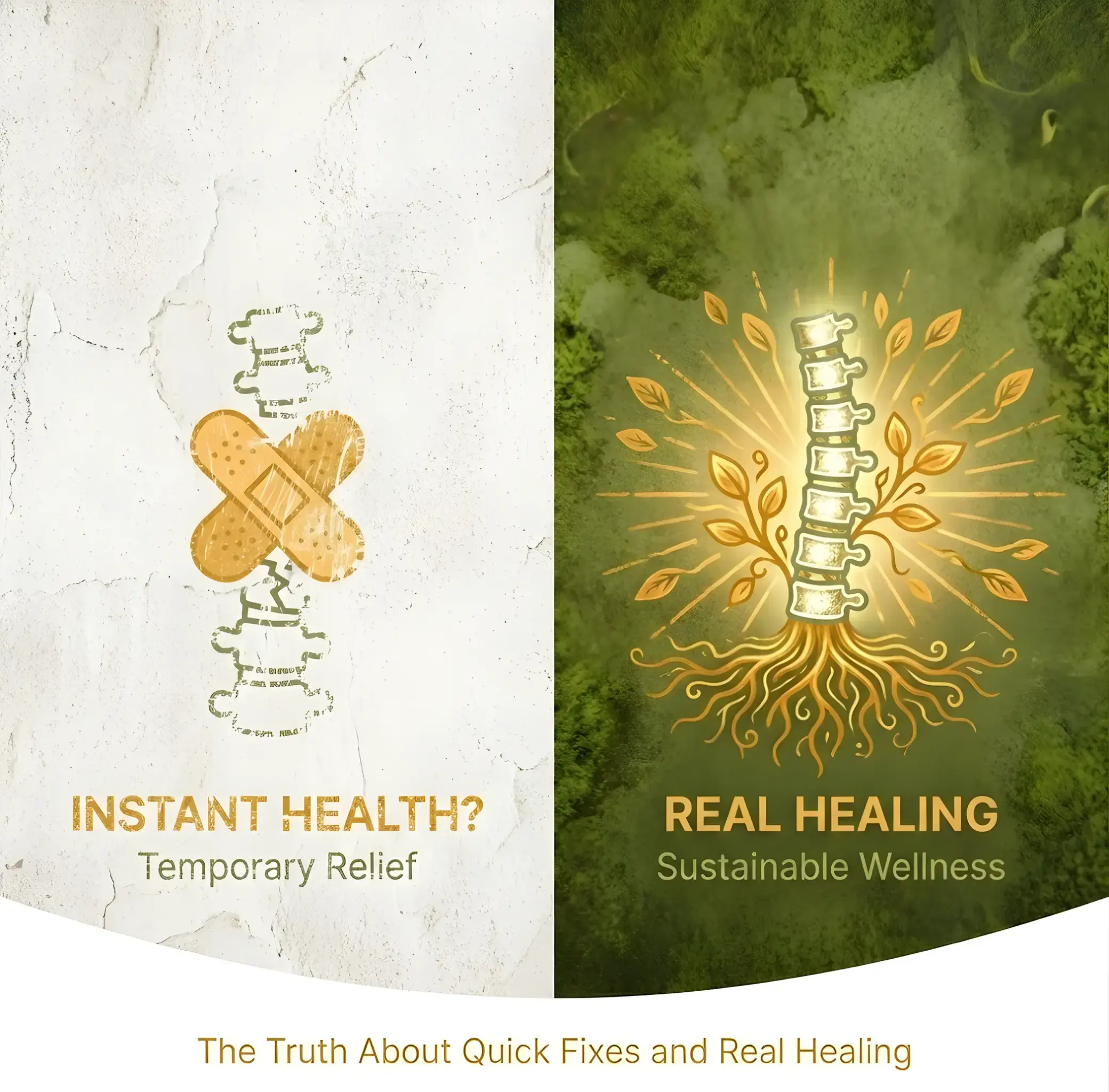
Are We Looking for Instant Health?
In today’s world, convenience rules. We’ve learned to expect everything at lightning speed—coffee in seconds, meals in minutes, and same-day delivery for almost anything we want. But what happens when we transfer that same mentality to our health? We start hunting for “instant cures.” We want to feel better now, recover immediately, and skip the hard parts that require patience. Unfortunately, the human body doesn’t work that way. True health, just like true growth, takes time.
This craving for instant results isn’t new, but it’s intensified over the last few decades. People rush from task to task while juggling responsibilities that leave little time for reflection or rest. Yet our bodies are still built for deliberate, natural rhythms—healing, digestion, restoration—all of which require time to unfold. When we push against those rhythms, we often pay the price in fatigue, stress, and chronic pain.
The Rush for Quick Fixes
We live in an “on-demand” culture that celebrates shortcuts. Quick solutions sound appealing, especially when life feels overwhelming. But somewhere along the way, we began confusing speed with success. If something takes effort or consistency, we lose interest. That mindset, while practical in some areas of life, becomes dangerous when applied to our health.
Advertisements constantly promise instant relief: “Fast-acting painkillers,” “Lose ten pounds in a week,” or “Get results overnight.” We’ve been conditioned to expect that health can happen as quickly as a microwave meal. Yet our bodies don’t operate like machines that instantly reboot when we press a button. Each function—digestion, circulation, immune defense—requires time and balance. When we chase speed over sustainability, we miss the real benefits of lasting change.
The truth is, healing is not about haste—it’s about harmony. Our systems thrive on rhythm and regular care. When we slow down and give our bodies proper attention, we create space for genuine recovery and strength to develop. Quick fixes might bring temporary comfort, but true wellness comes from patience and steady effort.
The Cost of a Fast-Paced Life
The modern world rarely gives us time to pause. From morning alarms to evening emails, the pace hardly slows down. We eat in our cars, sleep less, and keep multitasking until our minds and bodies crash. Over time, this lifestyle exacts a heavy toll.
Many people are unaware of what’s happening inside their bodies because they’ve stopped listening. When energy dips or headaches become routine, we often dismiss them as “normal” or just part of getting older. Yet these symptoms are messages—your body’s way of saying something needs care. Ignoring them and chasing temporary relief means problems compound silently.
Poor nutrition, lack of exercise, and inadequate rest all contribute to imbalance. But one key area most people overlook is spinal health. Your spine supports everything—your posture, your nervous system, your ability to move without pain. When it’s under strain or misaligned, even simple actions create tension. Millions experience daily discomfort from headaches, back pain, or muscle stiffness caused by stress and lack of movement. Over time, those small signals develop into chronic issues that are harder to reverse.
The connection between emotional stress and physical health can’t be overstated. Anxiety tightens muscles, raises blood pressure, and interferes with sleep, while physical tension in turn intensifies emotional strain. The two are inseparable. When either side is off balance, health suffers. That’s why maintaining calm, pacing yourself, and caring for your body gradually are essential—not indulgences.
The Role of the Nervous System
To understand real health, we have to look beyond surface symptoms and focus on how the body communicates. The nervous system is the central link in that communication network. It connects the brain to every tissue, organ, and muscle through billions of tiny nerve fibers. Every thought you have, every breath you take, and every movement you make depends on this intricate system working seamlessly.
Chiropractic care is built around that principle. The spine acts as a protective highway for the spinal cord, which carries messages between the brain and body. If the spine shifts out of alignment, even slightly, it can cause interference in those signals. When that happens, the body’s natural ability to heal and regulate itself becomes compromised.
By correcting these misalignments, chiropractors help restore clear communication within the nervous system. This encourages the body to do what it was designed to do—self-heal. Unlike quick fixes that mask symptoms, chiropractic care targets the root of imbalance, supporting long-term wellness. Patients often report better mobility, improved sleep, sharper focus, and renewed energy—not because something foreign was added, but because interference was removed.
A balanced nervous system is the foundation of sustained health. The goal isn’t instant change, but consistent improvement that builds strength, resilience, and vitality over time.
Slow, Steady Improvement Is Key
Health improvements rarely happen overnight. Just as it takes time to develop unhealthy habits, it takes time to reverse them. The key is intentional change—step by step. Think of your body as a living ecosystem rather than a machine. Every system affects the others, and growth happens from consistent nurturing, not from extreme or rushed interventions.
You don’t need drastic overhauls to begin improving your health. Instead, take inventory of your current habits in four simple areas: physical, nutritional, emotional, and lifestyle. Start small with realistic changes; they make the biggest difference over time.
For example, set aside short moments each day to stretch, plan balanced meals, and unplug before bedtime. If your schedule is packed, try micro-breaks—just five minutes to breathe deeply or take a walk. Over time, these micro actions create macro effects. Chiropractic care fits seamlessly into this rhythm. Regular adjustments help maintain spinal balance and support the body’s healing pace, ensuring you feel progress even without instant results.
When we try to rush healing, we often trigger more setbacks. Allow your body to adapt gradually. The most powerful improvements often happen quietly, below the surface, where your cells rebuild strength one step at a time.
The Instant World and Its Instant Problems
Not long ago, fast food and convenience culture were novelties. Today, they’re daily norms. Our meals, communication, and even relationships have become fast, compressed, and disposable. That same impatience has spilled into how we approach health. We want results now, without investment or effort.
This pursuit of immediacy creates what could be called “instant problems.” Convenience comes at a cost. Highly processed foods may satisfy hunger quickly but starve the body of real nutrition. Constant screen stimulation keeps us entertained but deprives the brain of needed rest. Hectic schedules fill our hours but drain our inner energy.
Children grow up believing that quick is better, while adults are caught in cycles of fatigue and frustration because the solutions they chase never last. Every pill or shortcut might ease symptoms for a while, but without addressing the source, discomfort always returns. The body isn’t fooled by speed; it insists on real healing.
True health is proactive, not reactive. Chiropractic care embodies this principle: it supports the body before breakdown begins. Regular spinal checkups and adjustments don’t just relieve pain—they help prevent it. When nerve pathways remain open, muscles function properly, organs receive optimal signals, and the immune system responds efficiently. The difference may not appear “instant,” but it is transformative for the future.
The Real Road to Better Living
Imagine how we’d approach money if we treated it like health. We wouldn’t expect instant wealth; we’d save, invest, and plan for stability. Health works exactly the same way. It’s not something you buy at once—it’s something you build over time.
Taking care of your spine and nervous system is a crucial part of that long-term investment. When your body is free of nerve interference, it functions at a higher level. Chiropractic adjustments ensure this foundation stays strong, supporting every other wellness choice you make—whether it’s better nutrition, more sleep, or regular movement.
The goal isn’t perfection but progress. Every time you choose a walk over a shortcut, a home-cooked meal over fast food, or an adjustment over another pain pill, you reinforce your body’s ability to thrive naturally. The benefits may feel gradual, but they compound, much like interest on a wise investment.
Commitment is what separates temporary relief from lasting well-being. Each healthy choice echoes forward, laying the groundwork for years of vitality, clarity, and energy. It’s a long road—but a rewarding one.
Worthwhile Things Take Time
Some of life’s best results can’t be rushed. Building a career, nurturing a relationship, raising children, or growing a garden—all demand consistency and patience. Health is no different. Attempting to achieve instant health is like planting seeds and expecting flowers the next morning. It doesn’t happen because life, by design, takes time to bloom.
The beauty of chiropractic care lies in this same philosophy. It’s a steady process that honors the body’s natural timeline. Regular adjustments help your system realign and strengthen gradually, leading to deeper, more sustainable wellness. Instead of forcing symptoms to disappear overnight, it allows the body to correct itself through proper function and flow.
The world might tempt us to chase fast results, but the most meaningful transformations happen when we slow down. Every mindful choice—each healthy meal, each stretch, each visit to your chiropractor—adds to your foundation of well-being. The secret to long-lasting health isn’t intensity but intention. Patience isn’t the enemy of progress; it’s the very thing that makes real progress possible.
A Call to Slow Down and Reclaim Balance
If you’ve been running on autopilot, it’s time to pause and take inventory. Ask yourself: How fast are you living? How often do you give your body a chance to catch up? We spend our lives maintaining cars, homes, and technology—yet often neglect the one system that keeps us alive: our own bodies.
Slowing down doesn’t mean abandoning ambition. It means working with your biology instead of against it. Give your body the respect it deserves by allowing time for rest, adjustment, and care. Chiropractic principles remind us that the body holds immense capability for self-healing—but only when we get out of our own way and give it space to do so.
When you embrace steady improvement, you start noticing changes everywhere. Sleep deepens, energy returns, patience grows. You begin appreciating progress for what it is—a journey, not a finish line. Gradual healing doesn’t just improve your body; it reshapes your relationship with time and with yourself.
Living Patiently, Living Well
The world around us may prize speed, but our bodies thrive on rhythm, balance, and care. True health isn’t instant—it’s cultivated. It asks for patience, commitment, and understanding that good things always take time.
So, instead of chasing the next quick fix, invest in lasting change. Start with the basics: nourishment, rest, movement, mental calm, and spinal alignment. Chiropractic care supports each of these areas, helping your body adjust and adapt naturally. You won’t transform in a day, but you’ll strengthen every day you keep choosing health.
Slow doesn’t mean stagnant. It means sustainable. And sustainable health is what allows you to live not just longer, but fully—alert, strong, and confident in the power of your own body.