How Gentle Adjustments Can Help With Age‑Related Back and Joint Pain
As people age, many come to accept back and joint pain as an unavoidable part of getting older. Stiff mornings, sore hips, aching knees, and a stiff lower back can quietly narrow what someone feels able to do each day. Gentle chiropractic adjustments offer a different perspective: instead of accepting pain as inevitable, they aim to address the mechanical changes that contribute to it—often with minimal force and maximum comfort. For older adults, this means pain relief, improved movement, and a better chance of staying active and independent, without the risks or side effects often associated with stronger medications or invasive procedures.
Why age‑related back and joint pain develops
Age‑related back and joint pain usually comes from a mix of structural and functional changes rather than a single dramatic injury. Over time, spinal discs lose some of their water content and become less cushioning, joints accumulate wear, and muscles lose strength and elasticity. That combination can lead to stiffness, reduced range of motion, and increased pressure on nerves and soft tissues, which shows up as aching, stiffness, or sharp pain with certain movements.
Arthritis in the spine, hips, knees, or hands also becomes more common with age. Inflammatory and mechanical changes in arthritic joints can cause pain, swelling, and a sense of “locking” or catching during movement. When these joints do not move smoothly, surrounding muscles tighten to protect them, which can create a cycle of stiffness, pain, and further loss of motion. Gentle chiropractic care can help break that cycle by improving joint mechanics without overloading fragile tissues.
What “gentle adjustments” actually mean
Gentle chiropractic adjustments are not the loud, forceful manipulations some people imagine. Instead, they use low‑force, precise techniques designed to restore motion and alignment with minimal discomfort. Common gentle methods include low‑force spinal manipulation, where the chiropractor uses slower, controlled movements or light pressure to encourage joints to move more freely. Instrument‑assisted techniques, such as the Activator Method, use a handheld device to deliver small, targeted impulses to specific joints, allowing precise correction without heavy manual force. Spinal mobilisation and micro‑movement approaches rely on gentle, rhythmic motions or sustained light pressure to release stiffness and improve joint lubrication. Soft‑tissue and positioning techniques, such as stretching and myofascial release, help relax tight muscles and support better spinal and joint alignment.
These methods are especially suited to older adults, people with osteoporosis, or anyone who feels anxious about “cracking” or aggressive adjustments. Because the force is kept minimal and targeted, they reduce the risk of injury to fragile bones or joints while still promoting meaningful changes in how the body moves.
How gentle adjustments ease back pain
For age‑related back pain, gentle adjustments work by restoring better motion to stiff spinal segments and reducing pressure on irritated nerves and muscles. When vertebrae become slightly misaligned or “stuck,” the surrounding muscles tighten, discs bear uneven loads, and nerves can become compressed or irritated, leading to localized or radiating pain.
Gentle techniques aim to improve alignment and motion in the spine, which reduces abnormal stress on discs, joints, and ligaments. They also decrease muscle tension and spasms that often develop as the body tries to protect a painful area. By taking pressure off pinched or irritated nerves, gentle adjustments can reduce burning, shooting, or radiating sensations down the legs. Many seniors report that after a series of gentle adjustments they can bend, twist, and stand up from chairs with less pain and greater ease. That improved comfort often translates into more walking, light exercise, and daily activity, which further supports spinal health and reduces stiffness.
How gentle adjustments help joint pain in hips, knees, and elsewhere
Age‑related joint pain is not limited to the back. Hips, knees, shoulders, and hands can all become stiff and painful as cartilage wears and joint mechanics change. Gentle chiropractic care can support these joints by improving how they move and how the body uses them.
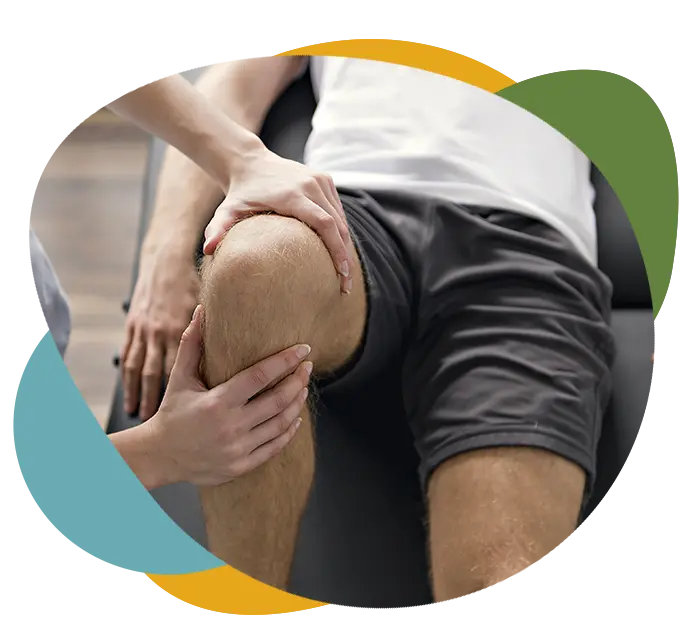
For hips and knees, gentle adjustments and mobilisations can restore smoother joint motion, which reduces grinding, catching, and pain with walking or climbing stairs. They can also improve alignment of the pelvis and lower limbs, so weight is distributed more evenly across the joint surfaces instead of being concentrated on one side. Relaxing tight muscles and fascia around the joint often pulls abnormally on arthritic or stiff structures, which can further ease discomfort.
In the upper body, gentle work on the neck, shoulders, and wrists can ease stiffness and pain related to arthritis, overuse, or poor posture at screens or workstations. By treating the whole kinetic chain rather than just the painful joint, gentle adjustments help the body move more efficiently and with less strain.
Why gentle methods are especially suited to older adults
Older adults often have medical conditions or structural changes—such as osteoporosis, arthritis, or previous surgeries—that make high‑force adjustments inappropriate or risky. Gentle chiropractic methods are designed with these realities in mind.
Key advantages for seniors include lower risk of injury to fragile bones or joints, since force is kept minimal and targeted. They are also better tolerated by people who are sensitive to pain, have balance issues, or feel anxious about traditional “cracking” adjustments. Gentle care can work alongside medical treatments, medications, and physical therapy rather than replacing them. Many clinics that focus on gentle care for seniors also incorporate posture education, balance exercises, and home stretches, which help reinforce the benefits of each adjustment and support long‑term mobility.
What to expect during a gentle adjustment session
A session focused on gentle adjustments for age‑related pain usually begins with a careful assessment. The chiropractor will ask about your medical history, medications, and specific complaints, then check your posture, spinal alignment, joint range of motion, and balance.
During the treatment itself, you may lie on a padded table or sit in a supported chair, with cushions or wedges used to keep you comfortable. The chiropractor uses light pressure, slow movements, or a small instrument to adjust spinal or joint segments, often without any loud “popping” sounds. Soft‑tissue work, gentle stretching, or light mobilisation of the hips, knees, or shoulders may be included to support the spinal work. Many people describe the experience as relaxing rather than jarring, and some even fall asleep during treatment. Improvement is often gradual, with small gains in comfort and mobility building over several weeks rather than happening in a single session.
Conditions commonly helped by gentle adjustments
Gentle chiropractic care is not a cure‑all, but it can be particularly helpful for several age‑related issues.
Osteoarthritis and joint stiffness can affect the spine, hips, knees, and other joints. Gentle mobilisation and soft‑tissue work can improve joint motion, reduce stiffness, and ease discomfort in these areas. Low‑back and neck pain from age‑related wear and tear, poor posture, or past injuries can limit movement and sleep. Gentle adjustments can reduce pain and improve function in many of these cases. Sciatica and nerve‑related leg pain, where irritation in the lower back causes pain, numbness, or weakness that travels into the buttocks, legs, or feet, can also respond well to gentle techniques that reduce nerve irritation and improve spinal mechanics. Balance and fall‑related issues can benefit as well, since better spinal alignment and joint motion enhance body awareness and coordination, which supports balance and reduces fall risk.
For more complex medical problems—such as severe osteoporosis, spinal fractures, or advanced neurological disease—gentle care is usually part of a broader plan that includes medical oversight.
How gentle adjustments support daily life and independence
When back and joint pain decrease and movement becomes easier, the effects ripple through daily life. Simple tasks like getting out of bed, standing from a chair, walking to the mailbox, or climbing a few steps become less daunting, which encourages more activity rather than withdrawal.
Increased mobility often leads to more time spent walking, gardening, or participating in light exercise, which supports heart health, muscle strength, and mood. Greater ability to manage personal care and household tasks preserves independence and reduces reliance on others. More social engagement follows, since moving with less pain and fear of falling makes it easier to attend gatherings, classes, or community events.
These changes do not just improve physical function; they also support mental and emotional well‑being, which is a key part of quality of life in later years. Feeling capable, active, and connected can reduce feelings of isolation, helplessness, or depression that sometimes accompany aging.
Safety, expectations, and how to get the most from gentle care
Gentle chiropractic care can be safe and effective for many older adults, but it is important to choose a practitioner experienced with seniors and to communicate openly about medical history. Red flags that should prompt medical evaluation before or alongside chiropractic care include recent fractures, severe osteoporosis, spinal surgery, unexplained weight loss, fever, or sudden neurological symptoms such as severe weakness or loss of coordination.
When gentle adjustments are appropriate, realistic expectations help. Improvement is often gradual, with initial comfort and relaxation in the first few sessions, gradual improvement in mobility over 4–6 weeks, and progressive pain reduction over 2–3 months. Long‑term stability usually comes from a combination of regular, gentle care and consistent daily habits such as walking, stretching, good posture, and home‑safety measures.
Conclusion
Gentle chiropractic adjustments are not about “fixing” aging; they are about supporting the body so it can function as well as possible within its limits. By improving spinal and joint alignment, reducing pressure on nerves and muscles, and easing stiffness, gentle techniques can significantly reduce age‑related back and joint pain. When combined with safe movement, good posture, and medical oversight when needed, they become a practical, non‑invasive way to protect mobility, independence, and quality of life in later years. For many older adults, that means more days spent doing what they love, with less pain and more confidence in their own bodies.